Apply Now
CICE
Research
Campus

Chinese Professors from SAGC Visit Botswana to Strengthen Academic Exchanges and Advance Rice Research

15 Jun, 2023

Chinese Professors from SAGC Visit Botswana to Strengthen Academic Exchanges and Advance Rice Research    In an exciting development for agricultural collaboration, three professors from the Shanghai Agrobiological Gene Center (SAGC) embarked on a visit to Botswana. The delegation, comprised of esteemed researchers Prof. Liu Zaochang, Prof. Mei Hanwei, and Prof. Zhou Sheng, aimed to foster academic exchanges and enhance cooperation with Botswana University of Agriculture and Natural Resources (BUAN).   During their visit, the professors from SAGC had the opportunity to meet with BUAN's Vice Chancellor, Professor Mosepele. Representatives from African Agriculture (AA), Mr. Miles Nan, and Prof. Liu Zaochang, who advocated Botswana's WDR (Water Deficit Rice) project, introduced the Shanghai delegation and provided an update on the ongoing cooperation with BUAN. Vice Chancellor Mosepele warmly welcomed the delegation, expressing his appreciation for the collaboration between AA, BUAN, and SAGC, emphasizing its significance for Botswana's agricultural production, particularly in crop planting.   Acknowledging the current food challenges faced by Botswana, Vice Chancellor Mosepele highlighted the need for innovative agriculture an   d diversification of crops to ensure food security in the country. He expressed confidence in the future cooperation between BUAN, SAGC, and AA.   The visit also included the highly anticipated "Botswana WDR Rice Seminar," where Prof. Liu Zaochang from SAGC delivered a comprehensive presentation on breeding and cultural practices of low carbon emissions and water-saving rice for Africa. Prof. Liu's expertise shed light on sustainable rice production techniques. Additionally, Prof. U. Batlang and Dr. T. S. Moroke from BUAN provided valuable insights during the seminar. Prof. Batlang offered preliminary rice research findings at Sebele, Botswana, while Dr. Moroke provided an overview of the AA/BUAN rice project, analyzing its technical and scientific aspects.   The seminar facilitated interactive discussions among attending professors, experts, officials from the Botswana Ministry of Agriculture, representatives from the National Agricultural Research and Development Institute (NARDI), and other relevant departments. Prof. O.R. Madibela, in his welcome remarks, expressed enthusiasm for the seminar and its potential impact on rice cultivation in Botswana.   The discussions encompassed a wide range of topics, including rice planting techniques, environmental impact mitigation, and strategies to enhance food security in Botswana. Prof. Liu Zaochang's presentation on breeding and cultural practices of low carbon emissions and water-saving rice for Africa garnered significant attention and sparked further conversations among the participants.   Furthermore, the delegation, along with BUAN professors and seminar participants, visited the rice experimental field to gain firsthand insights into ongoing research and developments. As part of the visit, Winnie Nchoko and Martin De Bruin, experts in rice soil fertility, conducted investigations and shared their findings with the group, focusing on the specific soil requirements for successful rice cultivation in Botswana.   Closing the event, Mr. Miles Nan, representative from African Agriculture, expressed his passion and dedication to the rice and agricultural development in Botswana. He emphasized the importance of collective efforts and government support to achieve self-sufficiency in food production and reduce reliance on imports. Mr. Nan acknowledged the critical role of government support in realizing the project's potential impact on people's lives. He urged the government, including the Office of the President, the Ministry of Agriculture, the Ministry of Entrepreneurship, and the Ministry of Youth, to wholeheartedly support the project, underscoring the commitment of the African Agricultural Company to address Botswana's food security challenges through innovative agricultural solutions.   The visit by the SAGC professors marked a significant step forward in strengthening academic ties between China and Botswana. The exchange of knowledge and expertise, combined with the valuable contributions of Prof. Batlang, Dr. Moroke, Prof. Madibela, and other participants, will undoubtedly contribute to the advancement of rice research and bolster Botswana's efforts in achieving sustainable food production and security.    

read more

THE SIGNING OF A MEMORANDUM OF UNDERSTANDING BETWEEN BUAN AND SELIBE-PHIKWE CITRUS FARM 12TH JUNE 2023

12 Jun, 2023

In its effort to prioritize food security and nutrition through the development and adaptation of novel research and innovation (R&I) approach, BUAN being a research and innovative university serves as the engine of transformational sustainability toward delivering the sustainable development goals. This illustrates the crucial role played in tackling problems and challenges encountered in creating and sustaining a prosperous society in the agriculture and natural resources sectors.   On the 12thh of June 2023 a memorandum of Understanding was signed by Botswana University of Agriculture and Natural Resources and Selibe Phikwe Citrus Farm on Horticultural Production and Value Chain development between the duo. In his remarks, the BUAN Vice chancellor, Professor Ketlhatlhogile Mosepele stated that citrus production is every important and it constitutes one of the important diets, because citrus fruits are rich sources of vitamins, minerals and dietary fiber that are essential for the overall nutritional well-being. The institution has expertise in areas of Fruit Production, as such it will contribute to the production and management of citrus trees.   He further went on to say that, the partnership will bring expertise and knowledge together and help reduce production costs through sharing of ideas in the production process, and this relates to the President Dr Mokgweetsi Eric Keabetswe Masisi’s statement said during the groundbreaking ceremony, that “Botswana would be able to export citrus fruits and in the process, increase revenue as well as promote smart and skills technology among Batswana”. As, such this would contribute the Gross Domestic Product (GDP). The signing of MoU follows visits and subsequent technical engagement which yielded mutual agreement in areas of collaboration between partners, which includes: a.    Study tours and excursions/Industrial Attachment for BUAN students b.    The need for citrus value chain c.    Business and investment opportunities d.    Entrepreneurship development/Incubation e.    Research on citrus tress f.      Including other potential fruits in the SPC farm In his closing remarks, he said “ I would like to commend the SPC for running the vision of the President of the Republic of Botswana, His Excellency Dr Mokgweetsi Masisi on RESET AGENDA, through citrus production to produce food to feed the nation”.  

read more

MOU SIGNING BETWEEN (BUAN) AND MOENG ALUMNI AGRIBUSINESS CO-OPERATIVE ON HORTICULTURAL PRODUCTION AND VALUE CHAIN DEVELOPMENT

25 May, 2023

The 25th of May 2023 did not only mark the African Day celebration at BUAN, but also marked an important milestone for BUAN and Moeng Alumni Agribusiness Co-operative as the duo signed a memorandum of Understanding on Horticultural Production and Value chain development. For his remarks, the BUAN Vice Chancellor, Professor Ketlhatlhogile Mosepele stated that according to Statistics Botswana import bill reflected that the country was a net importer of food which called for BUAN to lead a change in building a food and nutrition secure nation. “Our vision is ‘To be an Innovative and Research-Intensive University in Agriculture and Natural Resources’, however innovation and research on their own will not make Botswana food and nutrition secure,” explained Prof Mosepele. He went on to state that the institution’s mission is ‘To produce innovative graduates and technological solutions for sustainable development in agriculture and natural resources’, but producing graduates on its own won’t make the country food and nutrition secure.  The missing key is knowledge translation and transfer. There is need to transfer knowledge to society, to work with communities in the country to share expertise and knowledge for the benefit of all. “Community service is a key component of our functions at BUAN and today’s event is a manifestation of that vital key in contribution to food and nutrition secure Botswana”, said the Vice Chancellor. BUAN’s strategic themes are research intensification, academic excellence, entrepreneurial drive and agile operations. The signing of the MOU resonates well with the first three pillars. Also, the MOU affirm the institution’s tagline of ‘Inspiring Sustainable Growth’, as BUAN inspire through knowledge sharing, community service, partnerships, and collaborations. He said he felt honoured for BUAN to be partnering with Moeng Alumni Agribusiness Cooperative to address challenges that have dampened agricultural productivity as Botswana encourages farmers to form clusters and cooperatives to engage in agriculture productivity as there was value in partnerships. For his remarks, the Board Chairman of Moeng Alumni Agribusiness Cooperative, Dr Howard Sigwele informed all that the cooperative was formed by Alumni of Moeng two years ago. The cooperative has around 100 members which included farmers and was open to anyone to join for its growth. The Cooperative has acquired land in Serowe which will be beneficial for the MOU. “The contribution of agriculture on the country’s GDP was only 3% due to low productivity, African union has a set standard for its member countries to meet and Botswana does not meet that standard”, he said. Dr Sigwele went on to sight import bill statistics for fresh vegetables and fruits which proved that there was low production in the country. He explained that there was need to increase productivity through transfer of knowledge and skills and collaborations and the major player was BUAN. “If we joint hands properly, transparently and consistently, we can do better”, he stated. He said that a university should be seen to make an impact in the country and that through the MOU it will be doable adding that there were funds available to kick start the activities of the MOU and was looking forward to possibility of joint venture. The technical team from BUAN will be led by Dean of Faculty of Agriculture, Prof Justin Chepete who welcomed initiative with both hands and was looking forward to the implementation and facilitation of the partnership to transfer knowledge into skills. The following are the objectives of the MOU: a) allow BUAN to provide end-to-end technical support to Moeng Agribusiness Co-operative in order to establish and undertake horticultural production at commercial level; b) establish cooperation for research and knowledge sharing in order to attain sustainable utilization of horticultural production resources; c) strengthen capabilities of the participants through collaborative projects, research, education, and training on horticultural production value chain; d) provide expanded and improved opportunities for participants and students involved in the field of horticultural production value chain through training; e) use the resources of the participants effectively and efficiently towards implementation of the projects and advancing the development of horticultural production and value chain development. The areas of cooperation are:                   The participants will cooperate in among other things, horticultural production                    resources and value addition, research, and other forms of cooperation which                    may include; a) education and training in the field of horticultural production and value addition; b) information sharing; c) joint project implementation; d) joint use of participants resources and facilities; e) development of opportunities for research and enhancement of educational exchange programmes; and f) other activities and projects that may be jointly decided upon by the participants.    

read more


University's Business Centres

campus

CICE

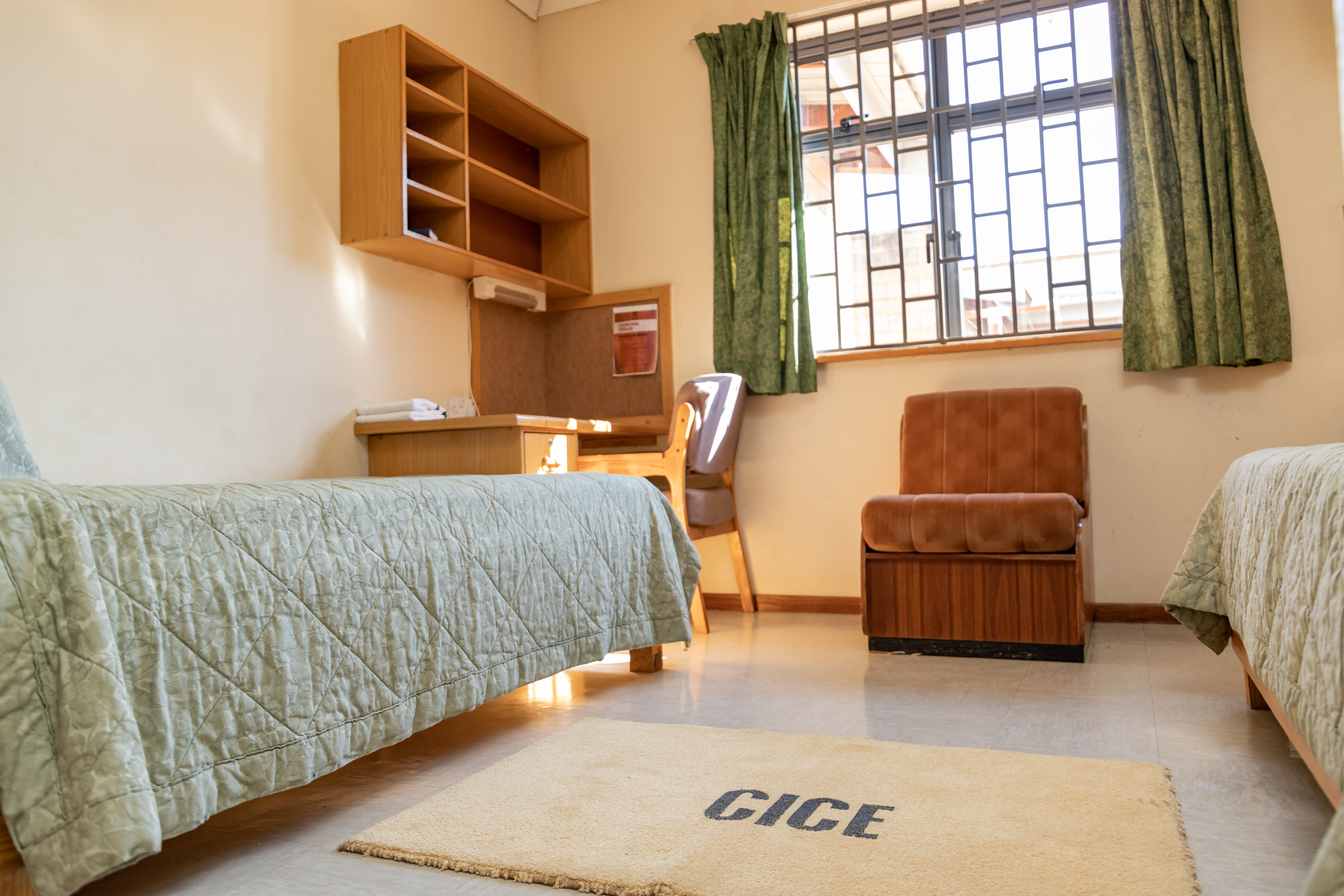
Background The Centre for In-service and Continuing Education (CICE) is the outreach arm of the Botswana University of Agriculture and Natural Resources (BUAN), the former Botswana College of Agriculture (BCA). It was opened in 1995 to extends BCA’s mandate through provision of quality in-service and continuing education in agriculture and natural resources. The CICE designs, develops and delivers training in Botswana Qualifications Authority (BQA) accredited courses that are market driven. The mode delivery for the courses includes lectures, practical work, demonstration, discussions and excursions with a 30:70 Theory to Practical proportions. The CICE operates with a team of highly qualified, experienced and dedicated staff of Botswana University of Agricultural and Natural Resources (BUAN) academic staff.  Other expertise is sourced locally from the Ministry of Agriculture Development and Food Security, other ministries, parastatals, private organizations and international organizations, as and when necessary.                        Mission Statement The Centre for In-service and Continuing Education (CICE) is the outreach department of the Botswana University of Agriculture and Natural Resources with responsibilities to: Promote, co-ordinate and deliver short-term courses in Agriculture and related fields; Produce, develop, publish and disseminate training, extension, information and other materials Promote and conduct pilot studies, projects, workshops and other outreach activities Promote linkages between agricultural research, extension services and training Liaise with different establishment CICE committees that direct, manage and advise in respect of the administration and activities of the Centre.

campus

MITI

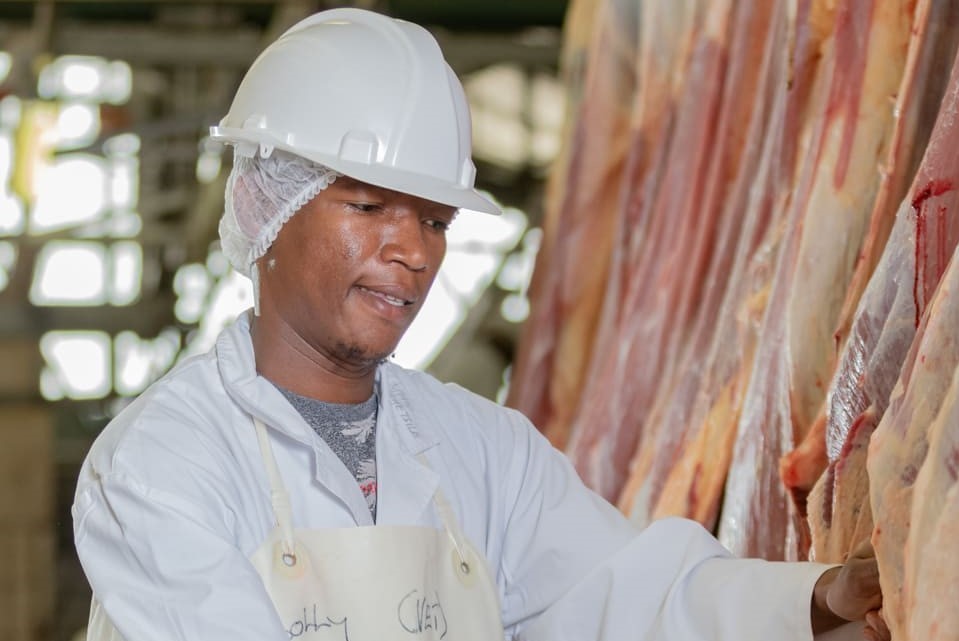
Ag Director : Dr Kerapetse Sehularo DAHP, BVMS, MVM History The Meat Industry Training Institute (MITI) was established in 1984 through an agreement between Food and Agriculture Organisation (FAO), Rome (working in conjuction with the government of Denmark) and the government of Botswana. At that point it was called the Regional Training Centre for Meat Inspectors and Meat Technologists in Africa. In 1991, the FAO handed over running of the training institute to the govermentof Botswana and managed by the Department of Veterinary Services of the Ministry of Agriculture. The institution was re-named Meat Inspection Training Centre (MITC). In order to enhance the academic profile of the institute so as to meet the demands of  its main stakeholders, the Institute was taken-over by the Botswana College of Agriculture now Botswana University of Agriculture and Natural Resources on the 01 st of April 2012. Since its establishment, over 1,900 participants from 45 African countries have undergone training at the Institute. MITI also recieved students from the European Union on internship programme in the area of Veterinary Public Health. MITI Strategic Intent MITI envisages becoming a Centre of Excellence for the meat industry in Africa. The Institute will focus on cutting edge research and training. The institute  will interact with its stakeholders through provision of excellent service in the areas of accommodation, abattoir services, meat and meat related consultancies and events hosting . This is in line with BUAN vision-mission of vibrant world class university that produces market ready graduates for agricultural and natural sectors. Existing Programmes Certifcate in Meat Inspection: A six (6) months intensive programme with focus on food safety management system (HACCP) in particular meat and meat products, meat inspection, animal welfare, zoonosis, animal health and food safety legislation.  Upcoming  academic  programmes: expected to be offered in academic year 2021 Diploma in Meat Inspection: (DMI) Diploma in Leather Products Manufacturing Technology: (DLPMT) Diploma in Meat Processing Technology: (DMPT) Short courses: expected to be offered in academic year 2020 Refresher course for meat Inspectors Meat Handlers Course Level 1 Meat Handlers Course Level 2 Meat Handlers Course Level 3 Meat Processing Course Level 1 Reaserch focus  Food safety especially meat and meat products Meat science Animal welfare Animal health Legislation Contact details Postal Address: Meat industry Training Institute Private Bag 45  Lobatse Physical Address: Boswelatlou Plot 13725 Telephone number: +267 5330671 FAX: +267 5332259 Email:miti@buan.ac.bw

campus

FARM

Objectives of the farm The first and major objective of the BUAN Farm is to provide facilities and services for teaching: Provide student-managed practical plots Provide demonstration plots for practical classes Provide structures for both crop and livestock demonstrations Provide structures and animals for practical training in animal production Be a facility for Field Practical Training The second objective of the University Farm is to provide facilities for research by: Providing research plots for staff and student projects Providing structures and experimental animals for staff and student research projects Permitting students to carry out meaningful and well-planned research projects during which a lot of practical skills can be acquired. The third objective of the Farm is in commercial production in areas where, there is comparative advantage to produce. This objective will be realized by: Engaging in production areas which are profitable under Botswana conditions. Developing the attitudes of students towards working with their hands to acquire some good working habits. Serving as a model to the farming community in Botswana and thus send the message that farming in Botswana can be a viable economic option


read more

FOR THOSE WHO NEVER STAND STILL. DON’T SAY NEXT YEAR, SAY NOW!

Apply Now

All Blogs

Blog

ALL AFRICA CONFERENCE ON ANIMAL. AGRICULTURE

Join us at this year's All-Africa conference on Animal Agriculture  on the 26-29 September 2023 @ Gaborone. Theme: Sustainable Africa Animal  Agriculture: Challenges and future prospect.

Details

DEANS MESSAGES

//